|
|
# Introduction to Data Ethics
|
|
|
|
|
|
| ](../../sketchnotes/02-Ethics.png)|
|
|
|
|:---:|
|
|
|
| Data Science Ethics - _Sketchnote by [@nitya](https://twitter.com/nitya)_ |
|
|
|
|
|
|
---
|
|
|
|
|
|
We are all data citizens living in a world shaped by data.
|
|
|
|
|
|
Market trends indicate that by 2022, one in three large organizations will buy and sell their data through online [Marketplaces and Exchanges](https://www.gartner.com/smarterwithgartner/gartner-top-10-trends-in-data-and-analytics-for-2020/). As **App Developers**, it will become easier and more cost-effective to integrate data-driven insights and algorithm-based automation into everyday user experiences. However, as AI becomes more widespread, we must also understand the potential harms caused by the [weaponization](https://www.youtube.com/watch?v=TQHs8SA1qpk) of such algorithms on a large scale.
|
|
|
|
|
|
Projections suggest that by 2025, we will generate and consume over [180 zettabytes](https://www.statista.com/statistics/871513/worldwide-data-created/) of data. For **Data Scientists**, this data explosion offers unprecedented access to personal and behavioral information. This enables the creation of detailed user profiles and the subtle influence of decision-making—often fostering an [illusion of free choice](https://www.datasciencecentral.com/the-pareto-set-and-the-paradox-of-choice/). While this can be used to nudge users toward desired outcomes, it also raises critical questions about data privacy, autonomy, and the ethical limits of algorithmic influence.
|
|
|
|
|
|
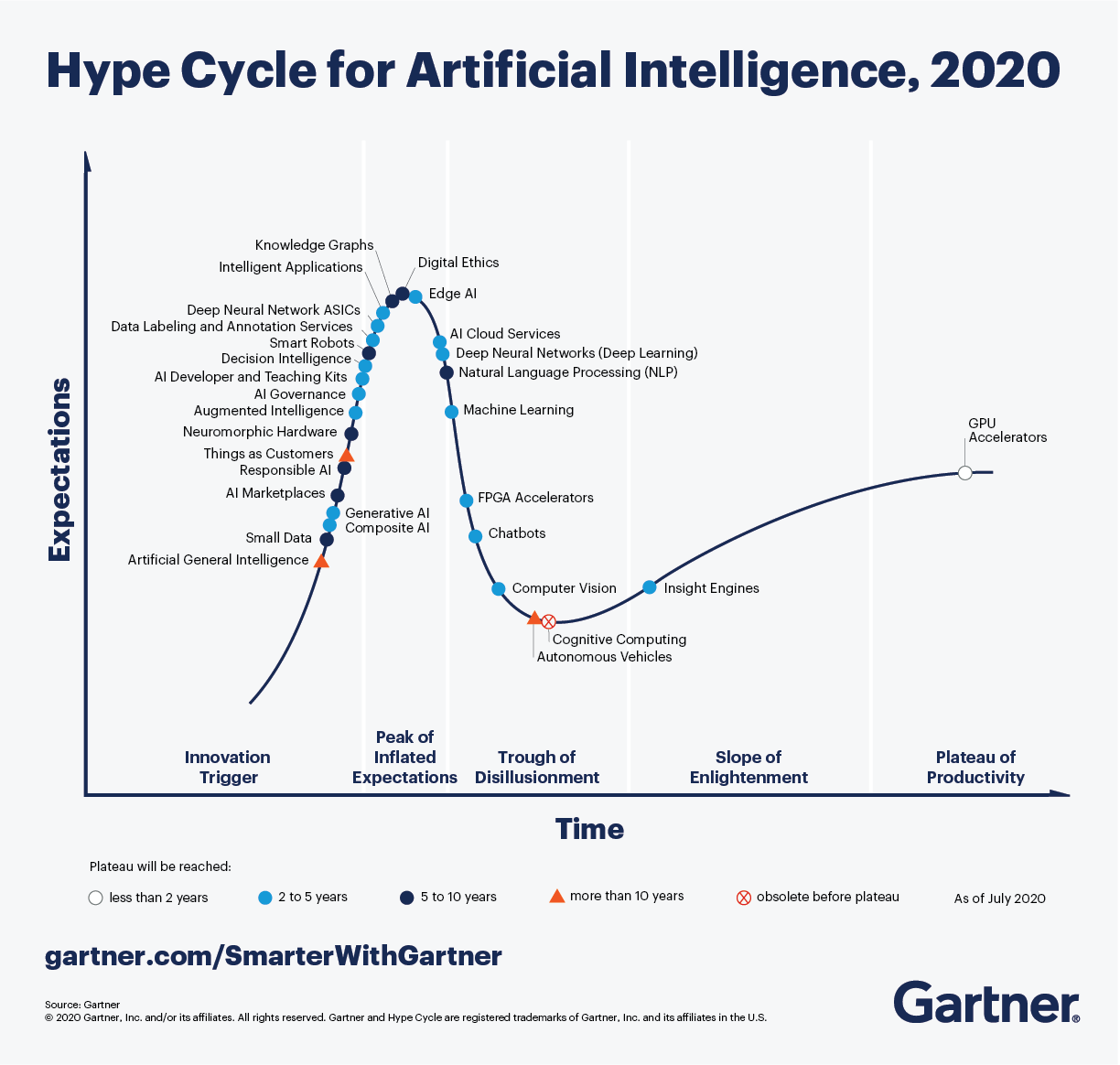
Data ethics now serve as _essential guardrails_ for data science and engineering, helping to minimize potential harms and unintended consequences of data-driven actions. The [Gartner Hype Cycle for AI](https://www.gartner.com/smarterwithgartner/2-megatrends-dominate-the-gartner-hype-cycle-for-artificial-intelligence-2020/) highlights trends in digital ethics, responsible AI, and AI governance as key drivers for larger megatrends around the _democratization_ and _industrialization_ of AI.
|
|
|
|
|
|
|
|
|
|
|
|
In this lesson, we will delve into the fascinating field of data ethics—from core concepts and challenges to case studies and applied AI concepts like governance—that help establish an ethical culture within teams and organizations working with data and AI.
|
|
|
|
|
|
## [Pre-lecture quiz](https://ff-quizzes.netlify.app/en/ds/quiz/2) 🎯
|
|
|
|
|
|
## Basic Definitions
|
|
|
|
|
|
Let’s begin by understanding some basic terminology.
|
|
|
|
|
|
The word "ethics" originates from the [Greek word "ethikos"](https://en.wikipedia.org/wiki/Ethics) (and its root "ethos"), meaning _character or moral nature_.
|
|
|
|
|
|
**Ethics** refers to the shared values and moral principles that guide our behavior in society. Ethics are not based on laws but on widely accepted norms of what is "right versus wrong." However, ethical considerations can influence corporate governance initiatives and government regulations, creating incentives for compliance.
|
|
|
|
|
|
**Data Ethics** is a [new branch of ethics](https://royalsocietypublishing.org/doi/full/10.1098/rsta.2016.0360#sec-1) that "studies and evaluates moral problems related to _data, algorithms, and corresponding practices_." Here, **"data"** focuses on actions like generation, recording, curation, processing, dissemination, sharing, and usage; **"algorithms"** focuses on AI, agents, machine learning, and robots; and **"practices"** addresses topics like responsible innovation, programming, hacking, and ethical codes.
|
|
|
|
|
|
**Applied Ethics** refers to the [practical application of moral considerations](https://en.wikipedia.org/wiki/Applied_ethics). It involves actively investigating ethical issues in the context of _real-world actions, products, and processes_ and taking corrective measures to ensure alignment with defined ethical values.
|
|
|
|
|
|
**Ethics Culture** is about [_operationalizing_ applied ethics](https://hbr.org/2019/05/how-to-design-an-ethical-organization) to ensure that ethical principles and practices are consistently and scalably adopted across an organization. Successful ethics cultures define organization-wide ethical principles, provide meaningful incentives for compliance, and reinforce ethical norms by encouraging and amplifying desired behaviors at every level of the organization.
|
|
|
|
|
|
## Ethics Concepts
|
|
|
|
|
|
In this section, we’ll discuss concepts like **shared values** (principles) and **ethical challenges** (problems) in data ethics—and explore **case studies** to understand these concepts in real-world contexts.
|
|
|
|
|
|
### 1. Ethics Principles
|
|
|
|
|
|
Every data ethics strategy begins with defining _ethical principles_—the "shared values" that describe acceptable behaviors and guide compliant actions in data and AI projects. These principles can be defined at an individual or team level. However, most large organizations outline them in an _ethical AI_ mission statement or framework, defined at the corporate level and enforced consistently across all teams.
|
|
|
|
|
|
**Example:** Microsoft's [Responsible AI](https://www.microsoft.com/en-us/ai/responsible-ai) mission statement reads: _"We are committed to the advancement of AI driven by ethical principles that put people first"_—identifying six ethical principles in the framework below:
|
|
|
|
|
|

|
|
|
|
|
|
Let’s briefly explore these principles. _Transparency_ and _accountability_ are foundational values upon which other principles are built—so let’s start there:
|
|
|
|
|
|
* [**Accountability**](https://www.microsoft.com/en-us/ai/responsible-ai?activetab=pivot1:primaryr6) ensures practitioners are _responsible_ for their data and AI operations and compliance with ethical principles.
|
|
|
* [**Transparency**](https://www.microsoft.com/en-us/ai/responsible-ai?activetab=pivot1:primaryr6) ensures that data and AI actions are _understandable_ (interpretable) to users, explaining the what and why behind decisions.
|
|
|
* [**Fairness**](https://www.microsoft.com/en-us/ai/responsible-ai?activetab=pivot1%3aprimaryr6) focuses on ensuring AI treats _all people_ fairly, addressing systemic or implicit socio-technical biases in data and systems.
|
|
|
* [**Reliability & Safety**](https://www.microsoft.com/en-us/ai/responsible-ai?activetab=pivot1:primaryr6) ensures AI behaves _consistently_ with defined values, minimizing potential harms or unintended consequences.
|
|
|
* [**Privacy & Security**](https://www.microsoft.com/en-us/ai/responsible-ai?activetab=pivot1:primaryr6) involves understanding data lineage and providing _data privacy and related protections_ to users.
|
|
|
* [**Inclusiveness**](https://www.microsoft.com/en-us/ai/responsible-ai?activetab=pivot1:primaryr6) focuses on designing AI solutions intentionally, adapting them to meet a _broad range of human needs_ and capabilities.
|
|
|
|
|
|
> 🚨 Think about what your data ethics mission statement could be. Explore ethical AI frameworks from other organizations—examples include [IBM](https://www.ibm.com/cloud/learn/ai-ethics), [Google](https://ai.google/principles), and [Facebook](https://ai.facebook.com/blog/facebooks-five-pillars-of-responsible-ai/). What shared values do they have in common? How do these principles relate to the AI products or industries they operate in?
|
|
|
|
|
|
### 2. Ethics Challenges
|
|
|
|
|
|
Once ethical principles are defined, the next step is to evaluate data and AI actions to ensure alignment with those shared values. Consider your actions in two categories: _data collection_ and _algorithm design_.
|
|
|
|
|
|
In data collection, actions often involve **personal data** or personally identifiable information (PII) for identifiable living individuals. This includes [various types of non-personal data](https://ec.europa.eu/info/law/law-topic/data-protection/reform/what-personal-data_en) that _collectively_ identify an individual. Ethical challenges may relate to _data privacy_, _data ownership_, and topics like _informed consent_ and _intellectual property rights_ for users.
|
|
|
|
|
|
In algorithm design, actions involve collecting and curating **datasets**, then using them to train and deploy **data models** that predict outcomes or automate decisions in real-world contexts. Ethical challenges may arise from _dataset bias_, _data quality_ issues, _unfairness_, and _misrepresentation_ in algorithms—including systemic issues.
|
|
|
|
|
|
In both cases, ethical challenges highlight areas where actions may conflict with shared values. To detect, mitigate, minimize, or eliminate these concerns, we must ask moral "yes/no" questions about our actions and take corrective measures as needed. Let’s examine some ethical challenges and the moral questions they raise:
|
|
|
|
|
|
#### 2.1 Data Ownership
|
|
|
|
|
|
Data collection often involves personal data that can identify individuals. [Data ownership](https://permission.io/blog/data-ownership) concerns _control_ and [_user rights_](https://permission.io/blog/data-ownership) related to the creation, processing, and dissemination of data.
|
|
|
|
|
|
Moral questions to consider:
|
|
|
* Who owns the data? (user or organization)
|
|
|
* What rights do data subjects have? (e.g., access, erasure, portability)
|
|
|
* What rights do organizations have? (e.g., rectifying malicious user reviews)
|
|
|
|
|
|
#### 2.2 Informed Consent
|
|
|
|
|
|
[Informed consent](https://legaldictionary.net/informed-consent/) involves users agreeing to an action (like data collection) with a _full understanding_ of relevant facts, including the purpose, potential risks, and alternatives.
|
|
|
|
|
|
Questions to explore:
|
|
|
* Did the user (data subject) give permission for data capture and usage?
|
|
|
* Did the user understand the purpose of data collection?
|
|
|
* Did the user understand the potential risks of their participation?
|
|
|
|
|
|
#### 2.3 Intellectual Property
|
|
|
|
|
|
[Intellectual property](https://en.wikipedia.org/wiki/Intellectual_property) refers to intangible creations resulting from human initiative that may _have economic value_ to individuals or businesses.
|
|
|
|
|
|
Questions to explore:
|
|
|
* Does the collected data have economic value to a user or business?
|
|
|
* Does the **user** have intellectual property rights here?
|
|
|
* Does the **organization** have intellectual property rights here?
|
|
|
* If these rights exist, how are they being protected?
|
|
|
|
|
|
#### 2.4 Data Privacy
|
|
|
|
|
|
[Data privacy](https://www.northeastern.edu/graduate/blog/what-is-data-privacy/) refers to preserving user privacy and protecting user identity with respect to personally identifiable information.
|
|
|
|
|
|
Questions to explore:
|
|
|
* Is users' (personal) data secured against hacks and leaks?
|
|
|
* Is users' data accessible only to authorized users and contexts?
|
|
|
* Is users' anonymity preserved when data is shared or disseminated?
|
|
|
* Can a user be de-identified from anonymized datasets?
|
|
|
|
|
|
#### 2.5 Right To Be Forgotten
|
|
|
|
|
|
The [Right To Be Forgotten](https://en.wikipedia.org/wiki/Right_to_be_forgotten) or [Right to Erasure](https://www.gdpreu.org/right-to-be-forgotten/) provides additional personal data protection to users. It allows users to request deletion or removal of personal data from Internet searches and other locations, _under specific circumstances_—giving them a fresh start online without past actions being held against them.
|
|
|
|
|
|
Questions to explore:
|
|
|
* Does the system allow data subjects to request erasure?
|
|
|
* Should the withdrawal of user consent trigger automated erasure?
|
|
|
* Was data collected without consent or by unlawful means?
|
|
|
* Are we compliant with government regulations for data privacy?
|
|
|
|
|
|
#### 2.6 Dataset Bias
|
|
|
|
|
|
Dataset or [Collection Bias](http://researcharticles.com/index.php/bias-in-data-collection-in-research/) involves selecting a _non-representative_ subset of data for algorithm development, potentially creating unfair outcomes for diverse groups. Types of bias include selection or sampling bias, volunteer bias, and instrument bias.
|
|
|
|
|
|
Questions to explore:
|
|
|
* Did we recruit a representative set of data subjects?
|
|
|
* Did we test our collected or curated dataset for various biases?
|
|
|
* Can we mitigate or remove any discovered biases?
|
|
|
|
|
|
#### 2.7 Data Quality
|
|
|
|
|
|
[Data Quality](https://lakefs.io/data-quality-testing/) examines the validity of the curated dataset used to develop algorithms, ensuring features and records meet the accuracy and consistency requirements for the AI purpose.
|
|
|
|
|
|
Questions to explore:
|
|
|
* Did we capture valid _features_ for our use case?
|
|
|
* Was data captured _consistently_ across diverse data sources?
|
|
|
* Is the dataset _complete_ for diverse conditions or scenarios?
|
|
|
* Is information captured _accurately_ in reflecting reality?
|
|
|
|
|
|
#### 2.8 Algorithm Fairness
|
|
|
|
|
|
[Algorithm Fairness](https://towardsdatascience.com/what-is-algorithm-fairness-3182e161cf9f) examines whether the design of an algorithm systematically discriminates against specific subgroups of data subjects, leading to [potential harms](https://docs.microsoft.com/en-us/azure/machine-learning/concept-fairness-ml) in _allocation_ (where resources are denied or withheld from that group) and _quality of service_ (where AI is less accurate for certain subgroups compared to others).
|
|
|
|
|
|
Questions to consider:
|
|
|
* Have we evaluated model accuracy across diverse subgroups and conditions?
|
|
|
* Have we examined the system for potential harms (e.g., stereotyping)?
|
|
|
* Can we revise the data or retrain models to address identified harms?
|
|
|
|
|
|
Explore resources like [AI Fairness checklists](https://query.prod.cms.rt.microsoft.com/cms/api/am/binary/RE4t6dA) to learn more.
|
|
|
|
|
|
#### 2.9 Misrepresentation
|
|
|
|
|
|
[Data Misrepresentation](https://www.sciencedirect.com/topics/computer-science/misrepresentation) involves questioning whether insights derived from honestly reported data are being communicated in a deceptive way to support a desired narrative.
|
|
|
|
|
|
Questions to consider:
|
|
|
* Are we reporting incomplete or inaccurate data?
|
|
|
* Are we visualizing data in ways that lead to misleading conclusions?
|
|
|
* Are we using selective statistical techniques to manipulate outcomes?
|
|
|
* Are there alternative explanations that might lead to different conclusions?
|
|
|
|
|
|
#### 2.10 Free Choice
|
|
|
The [Illusion of Free Choice](https://www.datasciencecentral.com/profiles/blogs/the-illusion-of-choice) occurs when system "choice architectures" use decision-making algorithms to subtly push people toward a preferred outcome while appearing to offer them options and control. These [dark patterns](https://www.darkpatterns.org/) can cause social and economic harm to users. Since user decisions influence behavior profiles, these actions can potentially drive future choices, amplifying or extending the impact of these harms.
|
|
|
|
|
|
Questions to consider:
|
|
|
* Did the user understand the implications of making that choice?
|
|
|
* Was the user aware of (alternative) choices and the pros & cons of each?
|
|
|
* Can the user reverse an automated or influenced choice later?
|
|
|
|
|
|
### 3. Case Studies
|
|
|
|
|
|
To contextualize these ethical challenges, it’s helpful to examine case studies that highlight the potential harms and consequences for individuals and society when ethical violations are overlooked.
|
|
|
|
|
|
Here are some examples:
|
|
|
|
|
|
| Ethics Challenge | Case Study |
|
|
|
|--- |--- |
|
|
|
| **Informed Consent** | 1972 - [Tuskegee Syphilis Study](https://en.wikipedia.org/wiki/Tuskegee_Syphilis_Study) - African American men who participated in the study were promised free medical care _but deceived_ by researchers who failed to inform subjects of their diagnosis or the availability of treatment. Many subjects died, and their partners or children were affected; the study lasted 40 years. |
|
|
|
| **Data Privacy** | 2007 - The [Netflix data prize](https://www.wired.com/2007/12/why-anonymous-data-sometimes-isnt/) provided researchers with _10M anonymized movie rankings from 50K customers_ to improve recommendation algorithms. However, researchers were able to correlate anonymized data with personally identifiable data in _external datasets_ (e.g., IMDb comments), effectively "de-anonymizing" some Netflix subscribers.|
|
|
|
| **Collection Bias** | 2013 - The City of Boston [developed Street Bump](https://www.boston.gov/transportation/street-bump), an app that let citizens report potholes, giving the city better roadway data to find and fix issues. However, [people in lower-income groups had less access to cars and phones](https://hbr.org/2013/04/the-hidden-biases-in-big-data), making their roadway issues invisible in this app. Developers worked with academics to address _equitable access and digital divides_ for fairness. |
|
|
|
| **Algorithmic Fairness** | 2018 - The MIT [Gender Shades Study](http://gendershades.org/overview.html) evaluated the accuracy of gender classification AI products, exposing gaps in accuracy for women and persons of color. A [2019 Apple Card](https://www.wired.com/story/the-apple-card-didnt-see-genderand-thats-the-problem/) seemed to offer less credit to women than men. Both illustrated issues in algorithmic bias leading to socio-economic harms.|
|
|
|
| **Data Misrepresentation** | 2020 - The [Georgia Department of Public Health released COVID-19 charts](https://www.vox.com/covid-19-coronavirus-us-response-trump/2020/5/18/21262265/georgia-covid-19-cases-declining-reopening) that appeared to mislead citizens about trends in confirmed cases with non-chronological ordering on the x-axis. This illustrates misrepresentation through visualization tricks. |
|
|
|
| **Illusion of free choice** | 2020 - Learning app [ABCmouse paid $10M to settle an FTC complaint](https://www.washingtonpost.com/business/2020/09/04/abcmouse-10-million-ftc-settlement/) where parents were trapped into paying for subscriptions they couldn't cancel. This illustrates dark patterns in choice architectures, where users were nudged toward potentially harmful choices. |
|
|
|
| **Data Privacy & User Rights** | 2021 - Facebook [Data Breach](https://www.npr.org/2021/04/09/986005820/after-data-breach-exposes-530-million-facebook-says-it-will-not-notify-users) exposed data from 530M users, resulting in a $5B settlement to the FTC. It, however, refused to notify users of the breach, violating user rights around data transparency and access. |
|
|
|
|
|
|
Want to explore more case studies? Check out these resources:
|
|
|
* [Ethics Unwrapped](https://ethicsunwrapped.utexas.edu/case-studies) - ethics dilemmas across diverse industries.
|
|
|
* [Data Science Ethics course](https://www.coursera.org/learn/data-science-ethics#syllabus) - landmark case studies explored.
|
|
|
* [Where things have gone wrong](https://deon.drivendata.org/examples/) - deon checklist with examples
|
|
|
|
|
|
> 🚨 Think about the case studies you've seen - have you experienced, or been affected by, a similar ethical challenge in your life? Can you think of at least one other case study that illustrates one of the ethical challenges we've discussed in this section?
|
|
|
|
|
|
## Applied Ethics
|
|
|
|
|
|
We’ve discussed ethical concepts, challenges, and case studies in real-world contexts. But how do we start _applying_ ethical principles and practices in our projects? And how do we _operationalize_ these practices for better governance? Let’s explore some real-world solutions:
|
|
|
|
|
|
### 1. Professional Codes
|
|
|
|
|
|
Professional Codes offer one option for organizations to "incentivize" members to support their ethical principles and mission statement. Codes are _moral guidelines_ for professional behavior, helping employees or members make decisions that align with their organization's principles. They are only as effective as the voluntary compliance from members; however, many organizations offer additional rewards and penalties to motivate compliance.
|
|
|
|
|
|
Examples include:
|
|
|
|
|
|
* [Oxford Munich](http://www.code-of-ethics.org/code-of-conduct/) Code of Ethics
|
|
|
* [Data Science Association](http://datascienceassn.org/code-of-conduct.html) Code of Conduct (created 2013)
|
|
|
* [ACM Code of Ethics and Professional Conduct](https://www.acm.org/code-of-ethics) (since 1993)
|
|
|
|
|
|
> 🚨 Do you belong to a professional engineering or data science organization? Explore their site to see if they define a professional code of ethics. What does this say about their ethical principles? How are they "incentivizing" members to follow the code?
|
|
|
|
|
|
### 2. Ethics Checklists
|
|
|
|
|
|
While professional codes define required _ethical behavior_ from practitioners, they [have known limitations](https://resources.oreilly.com/examples/0636920203964/blob/master/of_oaths_and_checklists.md) in enforcement, particularly in large-scale projects. Instead, many data science experts [advocate for checklists](https://resources.oreilly.com/examples/0636920203964/blob/master/of_oaths_and_checklists.md), which can **connect principles to practices** in more deterministic and actionable ways.
|
|
|
|
|
|
Checklists convert questions into "yes/no" tasks that can be operationalized, allowing them to be tracked as part of standard product release workflows.
|
|
|
|
|
|
Examples include:
|
|
|
* [Deon](https://deon.drivendata.org/) - a general-purpose data ethics checklist created from [industry recommendations](https://deon.drivendata.org/#checklist-citations) with a command-line tool for easy integration.
|
|
|
* [Privacy Audit Checklist](https://cyber.harvard.edu/ecommerce/privacyaudit.html) - provides general guidance for information handling practices from legal and social exposure perspectives.
|
|
|
* [AI Fairness Checklist](https://www.microsoft.com/en-us/research/project/ai-fairness-checklist/) - created by AI practitioners to support the adoption and integration of fairness checks into AI development cycles.
|
|
|
* [22 questions for ethics in data and AI](https://medium.com/the-organization/22-questions-for-ethics-in-data-and-ai-efb68fd19429) - a more open-ended framework, structured for initial exploration of ethical issues in design, implementation, and organizational contexts.
|
|
|
|
|
|
### 3. Ethics Regulations
|
|
|
|
|
|
Ethics is about defining shared values and doing the right thing _voluntarily_. **Compliance** is about _following the law_ if and where defined. **Governance** broadly covers all the ways in which organizations operate to enforce ethical principles and comply with established laws.
|
|
|
|
|
|
Today, governance takes two forms within organizations. First, it’s about defining **ethical AI** principles and establishing practices to operationalize adoption across all AI-related projects in the organization. Second, it’s about complying with all government-mandated **data protection regulations** for regions it operates in.
|
|
|
|
|
|
Examples of data protection and privacy regulations:
|
|
|
|
|
|
* `1974`, [US Privacy Act](https://www.justice.gov/opcl/privacy-act-1974) - regulates _federal govt._ collection, use, and disclosure of personal information.
|
|
|
* `1996`, [US Health Insurance Portability & Accountability Act (HIPAA)](https://www.cdc.gov/phlp/publications/topic/hipaa.html) - protects personal health data.
|
|
|
* `1998`, [US Children's Online Privacy Protection Act (COPPA)](https://www.ftc.gov/enforcement/rules/rulemaking-regulatory-reform-proceedings/childrens-online-privacy-protection-rule) - protects data privacy of children under 13.
|
|
|
* `2018`, [General Data Protection Regulation (GDPR)](https://gdpr-info.eu/) - provides user rights, data protection, and privacy.
|
|
|
* `2018`, [California Consumer Privacy Act (CCPA)](https://www.oag.ca.gov/privacy/ccpa) - gives consumers more _rights_ over their (personal) data.
|
|
|
* `2021`, China’s [Personal Information Protection Law](https://www.reuters.com/world/china/china-passes-new-personal-data-privacy-law-take-effect-nov-1-2021-08-20/) - one of the strongest online data privacy regulations worldwide.
|
|
|
|
|
|
> 🚨 The European Union’s GDPR (General Data Protection Regulation) remains one of the most influential data privacy regulations today. Did you know it also defines [8 user rights](https://www.freeprivacypolicy.com/blog/8-user-rights-gdpr) to protect citizens’ digital privacy and personal data? Learn about what these are, and why they matter.
|
|
|
|
|
|
### 4. Ethics Culture
|
|
|
|
|
|
There remains an intangible gap between _compliance_ (doing enough to meet "the letter of the law") and addressing [systemic issues](https://www.coursera.org/learn/data-science-ethics/home/week/4) (like ossification, information asymmetry, and distributional unfairness) that can accelerate the weaponization of AI.
|
|
|
|
|
|
The latter requires [collaborative approaches to defining ethics cultures](https://towardsdatascience.com/why-ai-ethics-requires-a-culture-driven-approach-26f451afa29f) that build emotional connections and consistent shared values _across organizations_ in the industry. This calls for more [formalized data ethics cultures](https://www.codeforamerica.org/news/formalizing-an-ethical-data-culture/) in organizations—allowing _anyone_ to [pull the Andon cord](https://en.wikipedia.org/wiki/Andon_(manufacturing)) (to raise ethics concerns early in the process) and making _ethical assessments_ (e.g., in hiring) a core criterion for team formation in AI projects.
|
|
|
|
|
|
---
|
|
|
## [Post-lecture quiz](https://ff-quizzes.netlify.app/en/ds/quiz/3) 🎯
|
|
|
## Review & Self Study
|
|
|
|
|
|
Courses and books help with understanding core ethics concepts and challenges, while case studies and tools help with applied ethics practices in real-world contexts. Here are a few resources to start with.
|
|
|
* [Machine Learning For Beginners](https://github.com/microsoft/ML-For-Beginners/blob/main/1-Introduction/3-fairness/README.md) - lesson on Fairness, provided by Microsoft.
|
|
|
* [Principles of Responsible AI](https://docs.microsoft.com/en-us/learn/modules/responsible-ai-principles/) - free learning path available on Microsoft Learn.
|
|
|
* [Ethics and Data Science](https://resources.oreilly.com/examples/0636920203964) - O'Reilly EBook by M. Loukides, H. Mason, and others.
|
|
|
* [Data Science Ethics](https://www.coursera.org/learn/data-science-ethics#syllabus) - online course offered by the University of Michigan.
|
|
|
* [Ethics Unwrapped](https://ethicsunwrapped.utexas.edu/case-studies) - case studies from the University of Texas.
|
|
|
|
|
|
# Assignment
|
|
|
|
|
|
[Write A Data Ethics Case Study](assignment.md)
|
|
|
|
|
|
---
|
|
|
|
|
|
**Disclaimer**:
|
|
|
This document has been translated using the AI translation service [Co-op Translator](https://github.com/Azure/co-op-translator). While we aim for accuracy, please note that automated translations may contain errors or inaccuracies. The original document in its native language should be regarded as the authoritative source. For critical information, professional human translation is recommended. We are not responsible for any misunderstandings or misinterpretations resulting from the use of this translation. |
